








Guest Author
Latest from Guest Author
Defining sovereign AI for the enterprise era

As enterprises and governments race to control their data, models and compliance obligations, sovereign AI infrastructure is emerging as both a technical and geopolitical imperative. In the latest episode of theCUBE Research’s AppDevANGLE podcast, Sudeep Goswami, chief executive officer of Traefik Labs Inc., joined theCUBE and SiliconANGLE’s Paul Nashawaty to unpack what “true sovereignty” means ...
BREAKING ANALYSIS
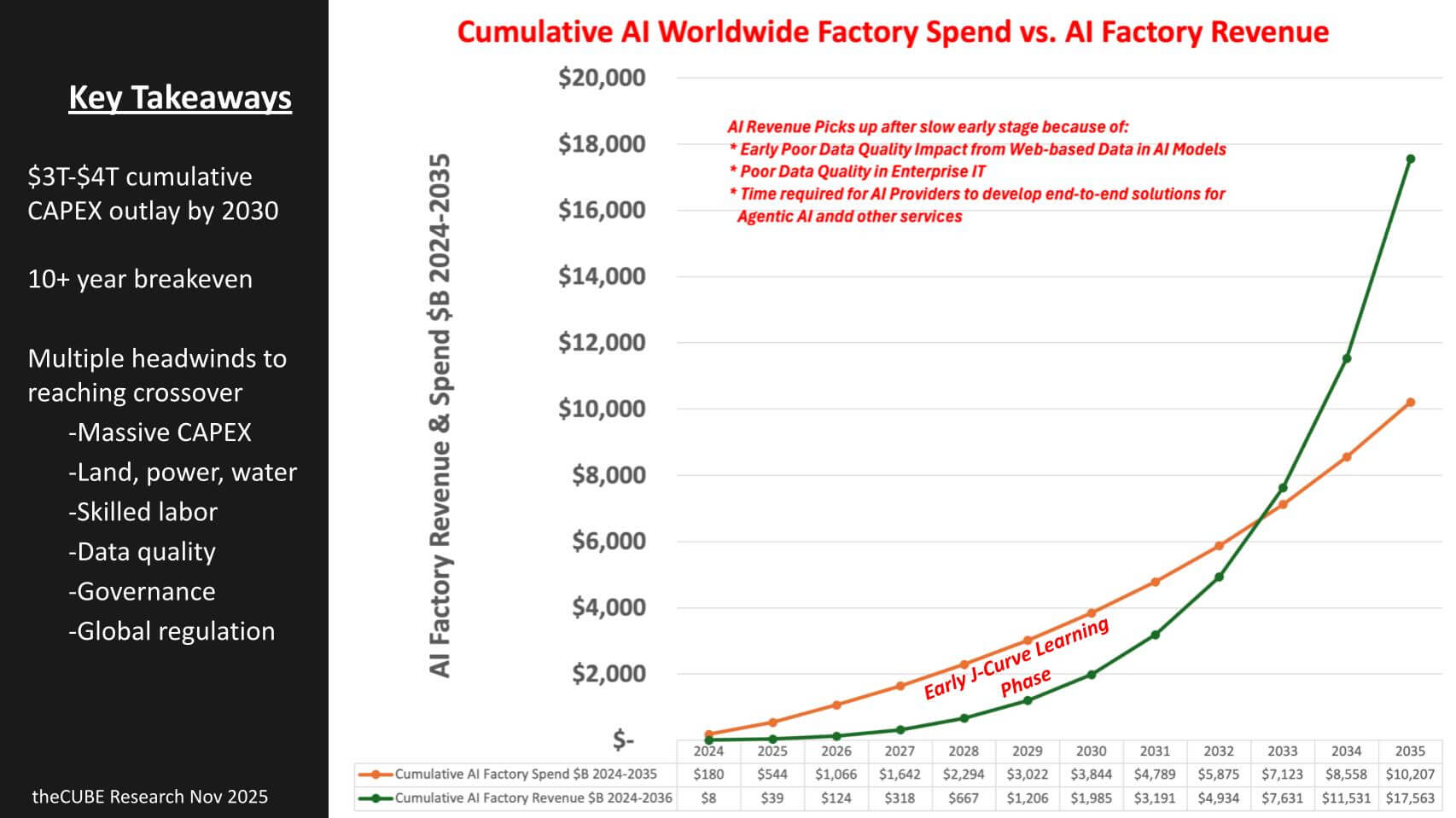
AI factories face a long payback period but trillions in upside
Our latest forecast indicates that it will take a decade or more for artificial intelligence factory operators and model builders to reach breakeven on their massive capital outlays. Our projections call for nearly $4 trillion in cumulative capital spending outlays by 2030, with just under $2 trillion in cumulative AI revenue generated in that timeframe. ...
The case for governed, ephemeral developer environments in the age of AI

The rise of artificial intelligence coding tools, coupled with increasing pressure to accelerate application delivery, is forcing enterprises to rethink their developer environments. Traditional models built on local machines, static virtual machines and siloed toolchains are proving too slow, too inconsistent and too expensive for the demands of modern software development, according to theCUBE Research’s ...
BREAKING ANALYSIS
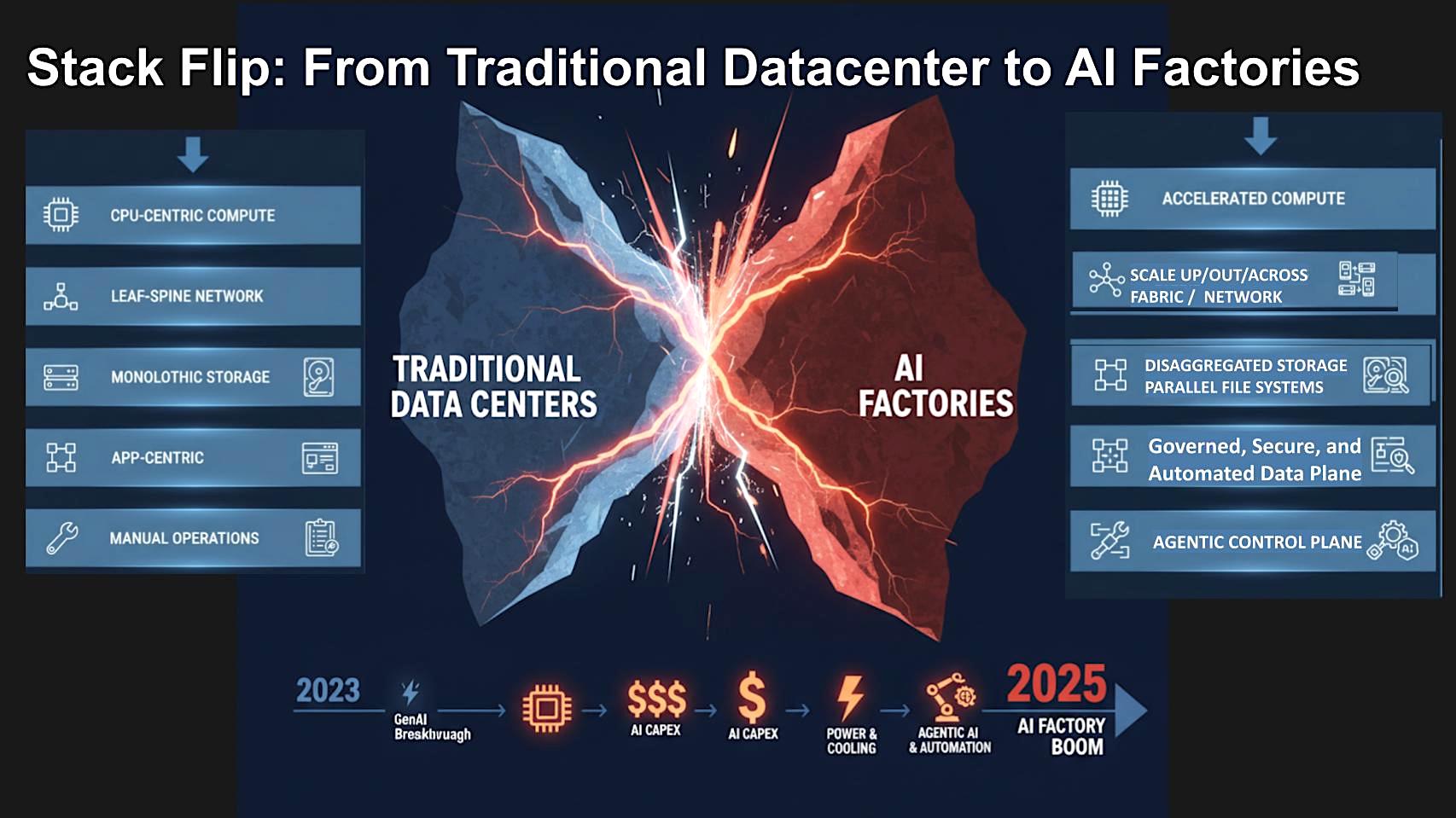
AI factories: Data centers of the future
The data center as we know it is being reimagined as an “AI factory” – a power- and data-optimized plant that turns energy and information into intelligence at industrial scale. The tech stack is flipping from general purpose central processing unit-centric systems to graphics processing unit-centric accelerated compute, optimized for parallel operations and purpose built ...
GUEST COLUMN

AI policy without proof is just politics
The White House’s recent executive orders on artificial intelligence and the launch of America’s AI Action Plan have made one thing clear: The United States intends to lead the world in AI. To be sure, the policy direction is ambitious: Accelerate innovation, strengthen infrastructure and ensure fairness and safety. But as important as these goals are, rules ...
GUEST COLUMN

Metadata is the missing map for enterprise AI
Large language models seem like magic. These artificial intelligence models write poetry, draft legal arguments and debug code with a fluency that suggests true understanding. But there is no magic, only patterns. An LLM learns language the same way a cryptographer cracks a code: by analyzing a massive volume of text and inferring the rules ...
GUEST COLUMN

How to streamline data delivery using five essential DataOps practices
As organizations continue their digital transformation, the demand for timely, consumption-ready data has never been higher. Yet simply adopting data operations tools is not enough to improve data delivery. Accelerating velocity and improving efficiency in data operations requires more than tool implementation. It demands a cohesive strategy built on platform engineering, proven practices, the right ...
BREAKING ANALYSIS
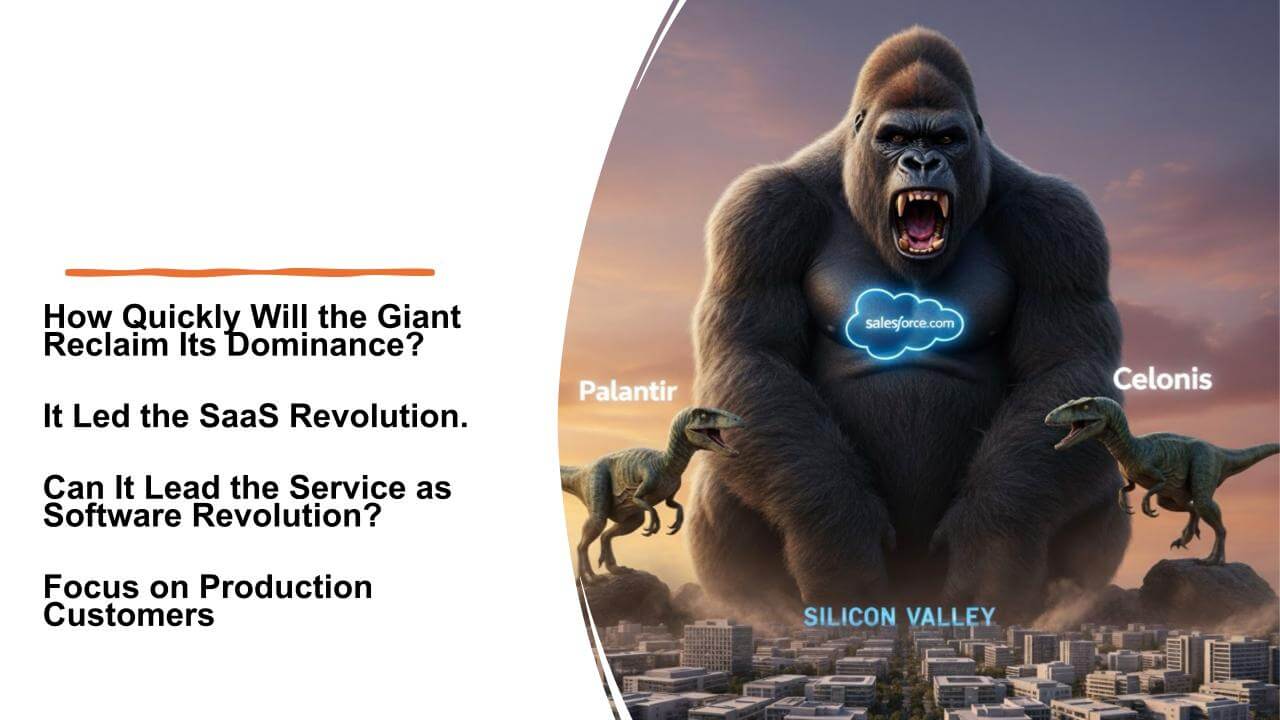
Salesforce’s next era: The agentic enterprise
Salesforce Inc. is moving from the hype phase of generative AI into doing the harder engineering work to create the agentic enterprise. The Dreamforce 2025 conference this week showed us that the company that created the original software-as-a-service model now wants to lead what we call service as software. In our view, this represents a profound revolution, ...
ANALYSIS
Riverbed accelerates AI data movement
At Oracle Corp.’s CloudWorld 2025 in Las Vegas this week, Riverbed Technology LLC unveiled its new Data Express Service, a software-as-a-service offering designed to address one of the biggest bottlenecks in enterprise AI adoption: AI data movement. This involves moving massive datasets quickly, securely and cost-effectively. Built on Oracle Cloud Infrastructure, the new service enables petabyte-scale ...
BREAKING ANALYSIS
The zero-loss enterprise: Data resilience as an AI service layer
The shift to service as software will bring learning curve advantages, software-like marginal economics, and winner-take-most dynamics to all companies across every industry, not just tech vendors. We believe those firms that can more quickly jump on the artificial intelligence experience curve will see substantially increased benefits relative to their competitors. However, our research suggests ...