




 AI
AI
AI
AI

AI

As artificial intelligence reshapes the global economy, enterprises and governments are racing to define their place in the new digital order. A key piece in that discussion is nailing intelligent infrastructure — from edge to cloud and AI data centers — to deliver potent returns.
Dell’s Vivek Mohindra discusses intelligent AI infrastructure with theCUBE.
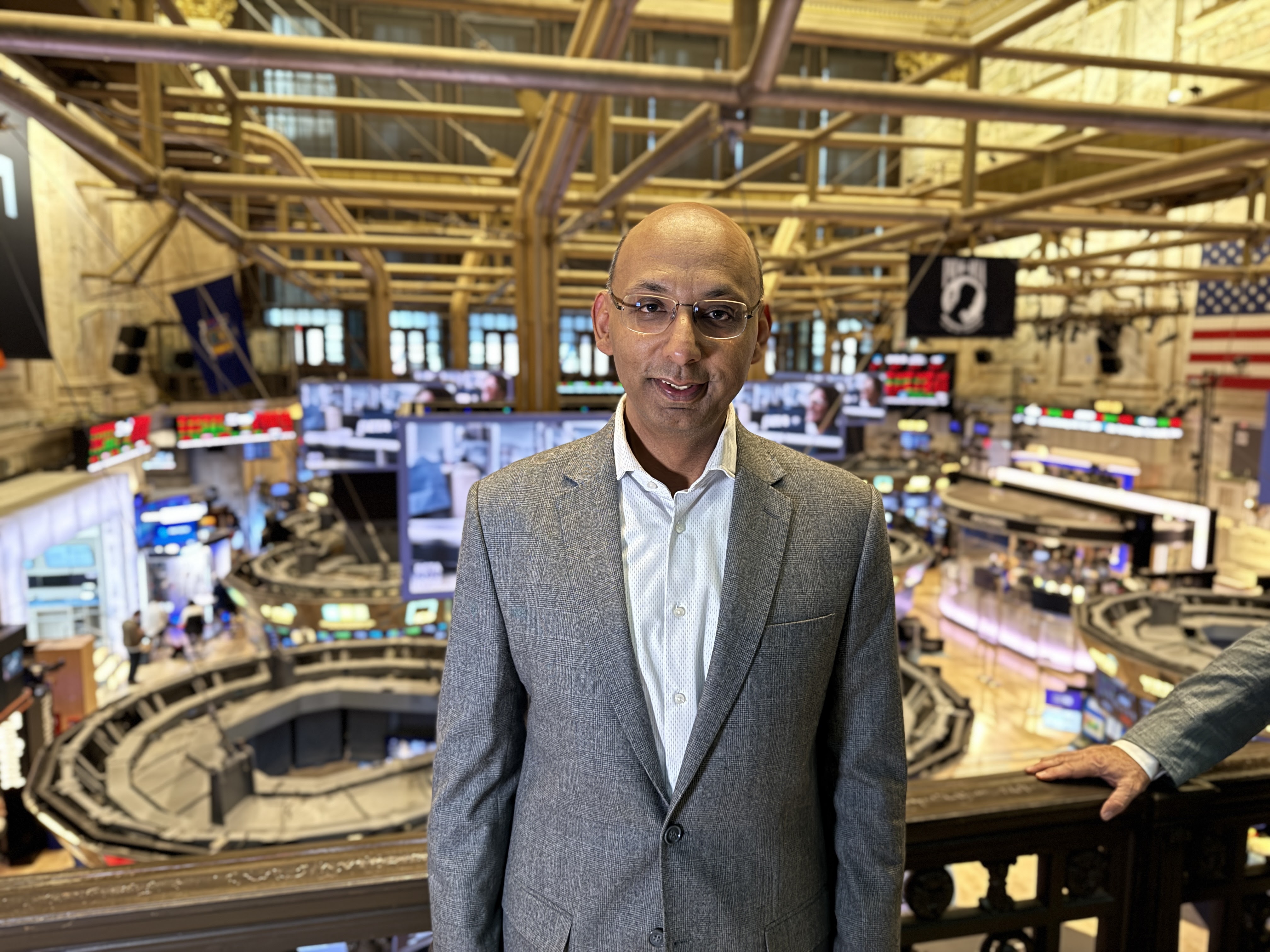
A central piece of hardware that’s often ignored, however, is the personal computer. As AI models become more efficient, devices at the edge — including workstations, laptops and local servers — will play an increasingly significant role. This shift redefines the AI factory from a monolithic data center to a distributed ecosystem of compute power, according to Vivek Mohindra (pictured), special advisor to the vice chairman and chief operating officer at Dell Technologies Inc.
“When you look at inferencing itself, the conversation I end up having with enterprises goes along the lines of thinking about the entirety of the estate they have to execute these workloads, which is fundamentally hybrid,” he said. “There are some of these workloads that they will do in the public clouds, many of them who are lucky will continue to maintain an on-prem presence in many ways, that’s at their disposal right now.”
Mohindra spoke with theCUBE’s Dave Vellante for theCUBE + NYSE Wired: AI Factories – Data Centers of the Future event series, during an exclusive broadcast on theCUBE, SiliconANGLE Media’s livestreaming studio. They discussed how organizations are moving beyond the hype, balancing innovation with regulation and preparing for a new era of intelligent infrastructure.
Much like a new iPhone release, the past few years have been marked by organizations leaping into AI for fear of missing out. With that anxiety fading in favor of pragmatism, some are already seeing measurable productivity gains from AI with shrewd strategy and resource allocation.
Enterprises are actively seeking help from technology partners to identify use cases, prepare data and deploy workloads across the right infrastructure. Dell’s own research shows that 74% of customers expect it to provide guidance — not just hardware, according to Mohindra.
“We are beginning to find out we are getting drawn into more and more of these discussions with business folks who are looking towards us to help them decide what they ought to do,” he said. “That is something I expected when I was a partner at McKinsey decades ago, but I did not expect that from somebody like us. But we are being given that mandate.”
While hyperscalers continue to invest billions into training large models, enterprise AI is more about inference — deploying models for practical, everyday use. These workloads rarely need massive GPU clusters. Instead, enterprises are leveraging a hybrid estate that spans cloud, on-premises data centers and even powerful edge devices.
“There’s a whole spectrum that they can actually use, including PCs and workstations and the role they play,” Mohindra said. “The more sophisticated enterprises I speak with when I travel all over the world are thinking about the entirety of the estate with that level of sophistication — and they’re beginning to figure out that a PC is fundamentally the most cost and energy-efficient node to execute these workloads.”
Here’s the complete video interview, part of SiliconANGLE’s and theCUBE’s coverage of theCUBE + NYSE Wired: AI Factories – Data Centers of the Future event series:
Support our mission to keep content open and free by engaging with theCUBE community. Join theCUBE’s Alumni Trust Network, where technology leaders connect, share intelligence and create opportunities.
Founded by tech visionaries John Furrier and Dave Vellante, SiliconANGLE Media has built a dynamic ecosystem of industry-leading digital media brands that reach 15+ million elite tech professionals. Our new proprietary theCUBE AI Video Cloud is breaking ground in audience interaction, leveraging theCUBEai.com neural network to help technology companies make data-driven decisions and stay at the forefront of industry conversations.